Djembe Goat Skins
A local contact for traditional djembe skins and drum-related expertise. Call ahead for shopping details and availability.
A welcoming home for Twin Cities drum circles, instruments, teachers, care, rhythms, and community stories. Whether you are new or experienced, find your next step.
Choose a path. We'll take you straight to what you need.
Explore gatherings by day, audience, style, or location. Contact the organizer to confirm the schedule before visiting.
Schedules and eligibility can change. Always confirm with the organizer before traveling.
Joining a new circle should feel welcoming, not complicated. Check these four things before you go.
Browse gatherings ↗Meet the instruments, know their makers, and discover sounds carried across generations.
Find your drum ↗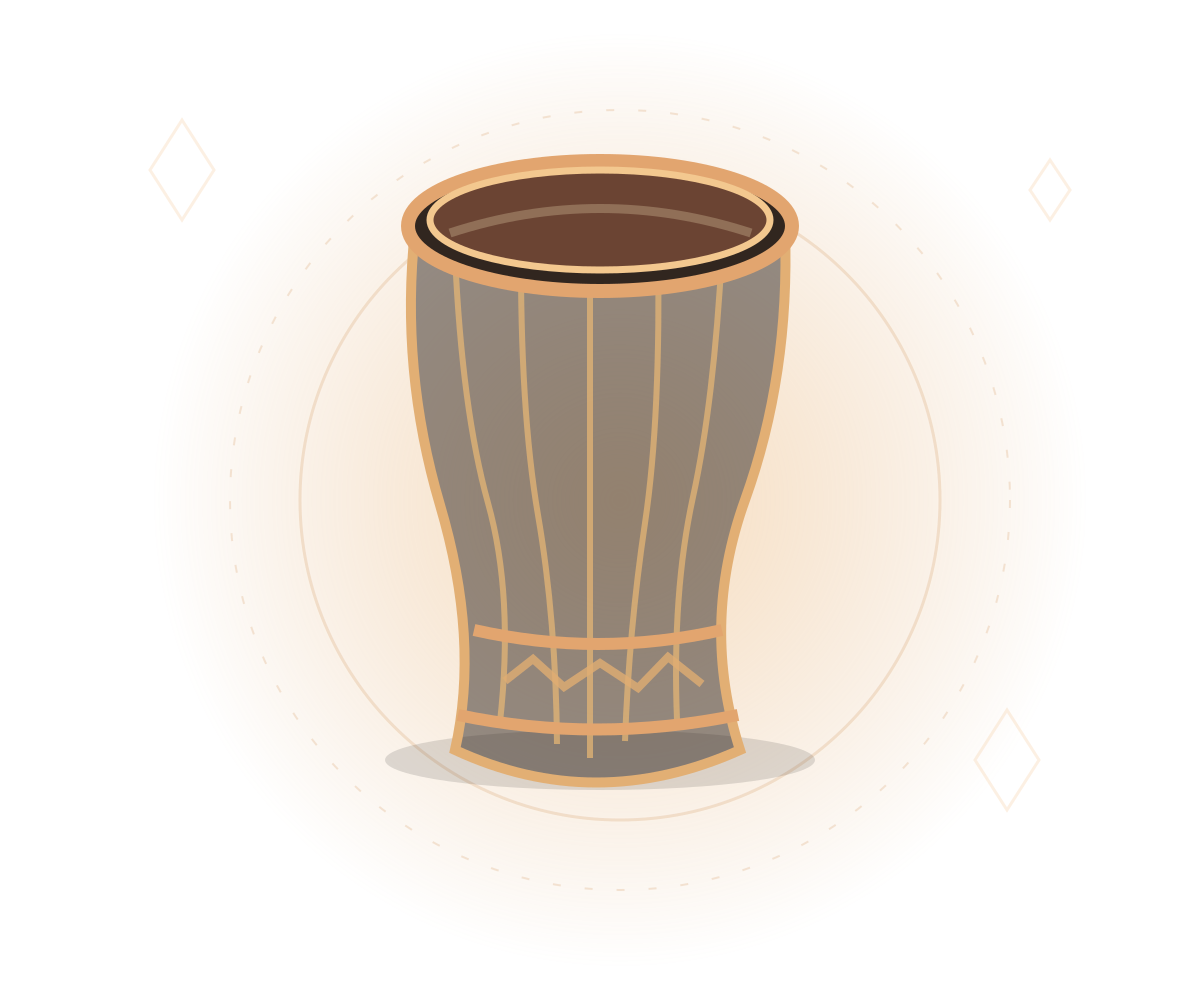
Every drum has a voice, a history, and a purpose. Explore local instrument shops and specialist sellers, whether you're choosing your first djembe or expanding your collection.
Ask about drum stock before making a trip.
A local contact for traditional djembe skins and drum-related expertise. Call ahead for shopping details and availability.
African crafts and cultural goods. Contact the shop to ask whether hand drums are currently in stock.
A Twin Cities music retailer where you can explore percussion instruments and accessories. Confirm current hand-drum selection first.
A local new and used instrument shop. Ask about percussion inventory if you're looking for an affordable option.
Six independent traditional-percussion specialists.
Explore djembes, bougarabous, dununs, sabars, and other instruments rooted in African musical traditions.
Professional djembes, dununs, custom drum builds, and repair services.
Custom-built professional djembes and repair services. Check the website for current ordering and shop-status updates.
Djembes, drum shells, skins, rope, tools, and parts for building or maintaining drums.
Drums for beginning and experienced players, plus other African percussion and accessories.
Professional and refurbished djembes, dununs, drum-making supplies, and accessories.
A little knowledge goes a long way. Here are four things to check when choosing a hand drum:
Try the bass, tone, and slap. The drum should sound clear, responsive, and comfortable to play.
Inspect the carved wood or body for major cracks, a stable base, and comfortable edges.
Check for damage, uneven tension, worn rope, and loose rings. Ask about future repairs.
Ask where the drum was made, who crafted it, and the traditions it comes from.
“A drum is more than an instrument. It is a vessel of memory, a carrier of culture, and a voice waiting to be awakened.”
Shopping note: Listings are informational, not paid endorsements. Inventory, prices, shipping, addresses, and business status may change. Confirm details with sellers before visiting or ordering.
Dununba, sangban, and kenkeni form a powerful rhythmic foundation in many Mande drum ensembles.
Meet the instruments ↗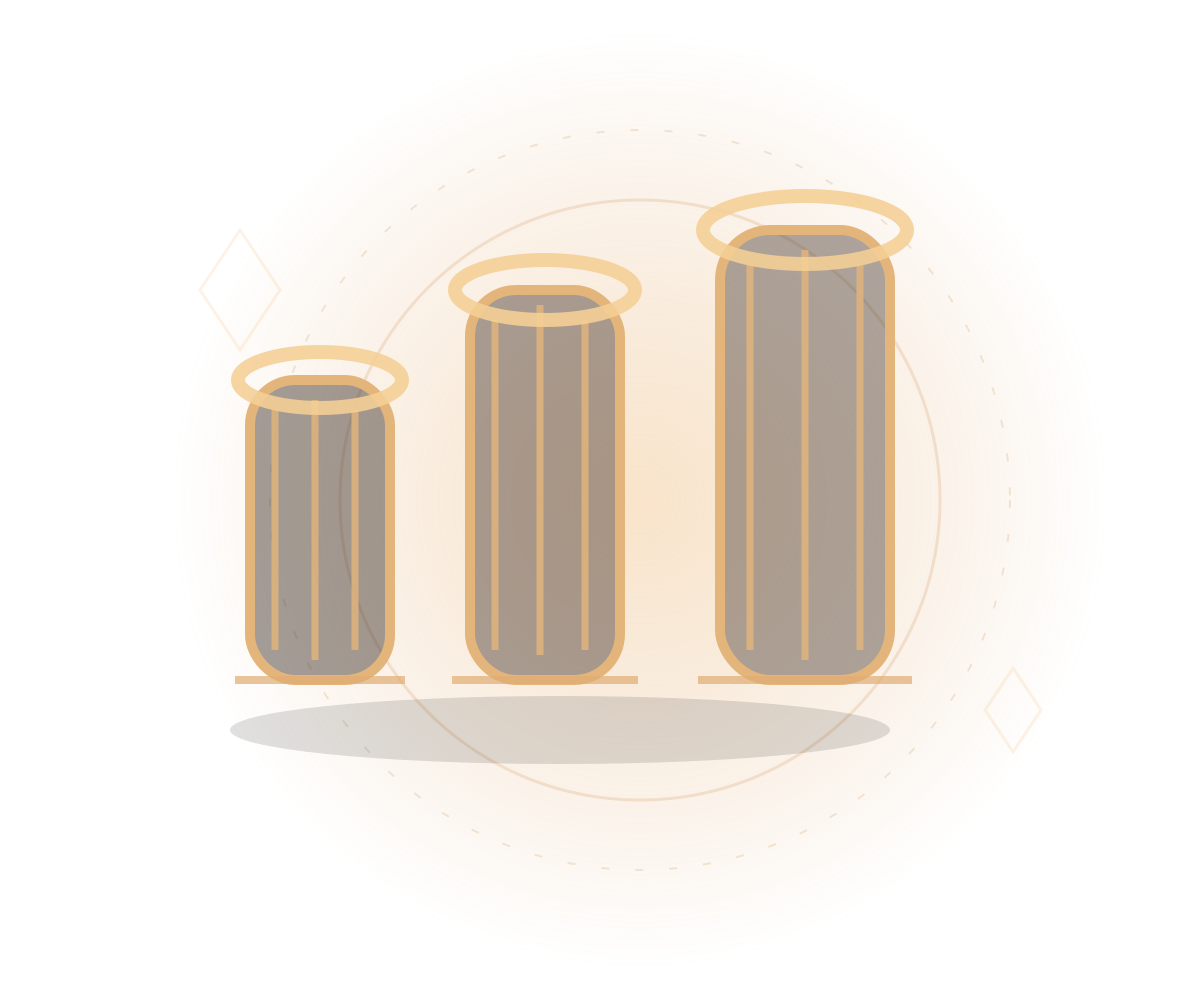
You don't have to know a rhythm—or even own a drum—to begin. Start with the basics, meet the instruments, and explore traditions with curiosity and respect.
Your first circle is about listening and connecting—not performing perfectly.
Check the audience, experience level, location, and schedule in the circle directory.
Some groups have instruments available. Contact the organizer before arriving if you need to borrow one.
Follow the facilitator, learn the pulse, and make room for others. It's okay to sit out and observe.
Ask where a rhythm comes from, follow community etiquette, and care for borrowed instruments.
Different drum families have different histories and playing techniques. These are starting points for learning.
Goblet-shaped hand drum associated especially with Mande musical traditions; known for bass, tone, and slap.
Stick-played bass drums; commonly named dununba, sangban, and kenkeni in some regional traditions.
A tall, single-headed drum associated with Jola communities of Senegambia and surrounding areas.
A family of drums central to Wolof musical and dance traditions, often played with hand and stick.
Pressure-tension drums such as the dùndún can change pitch and imitate aspects of speech.
Distinct drum traditions used in Afro-Cuban music and Puerto Rican bomba, among other settings.
Names, construction, and musical roles vary across communities. Learn directly from culture bearers whenever possible.
Start with rhythm names and their contexts; each has more depth than a single pattern or recording.
A widely taught West African rhythm associated with dance and celebration; practices vary by community.
Often taught in connection with agricultural work and harvest, with regional variations.
Often paired in teaching and performance, with contrasting feel, tempo, and social context.
Connected with a rich ceremonial history; learn its meaning from knowledgeable teachers.
A rhythm and dance found in West African performance repertoires; historical accounts differ.
A living musical tradition in which drum and dancer communicate; its rhythms and styles are diverse.
This is an introduction, not a substitute for instruction or an authoritative account of every lineage.
Beyond the drum, West African musical traditions also carry memory through strings, keys, and song.
Explore the traditions ↗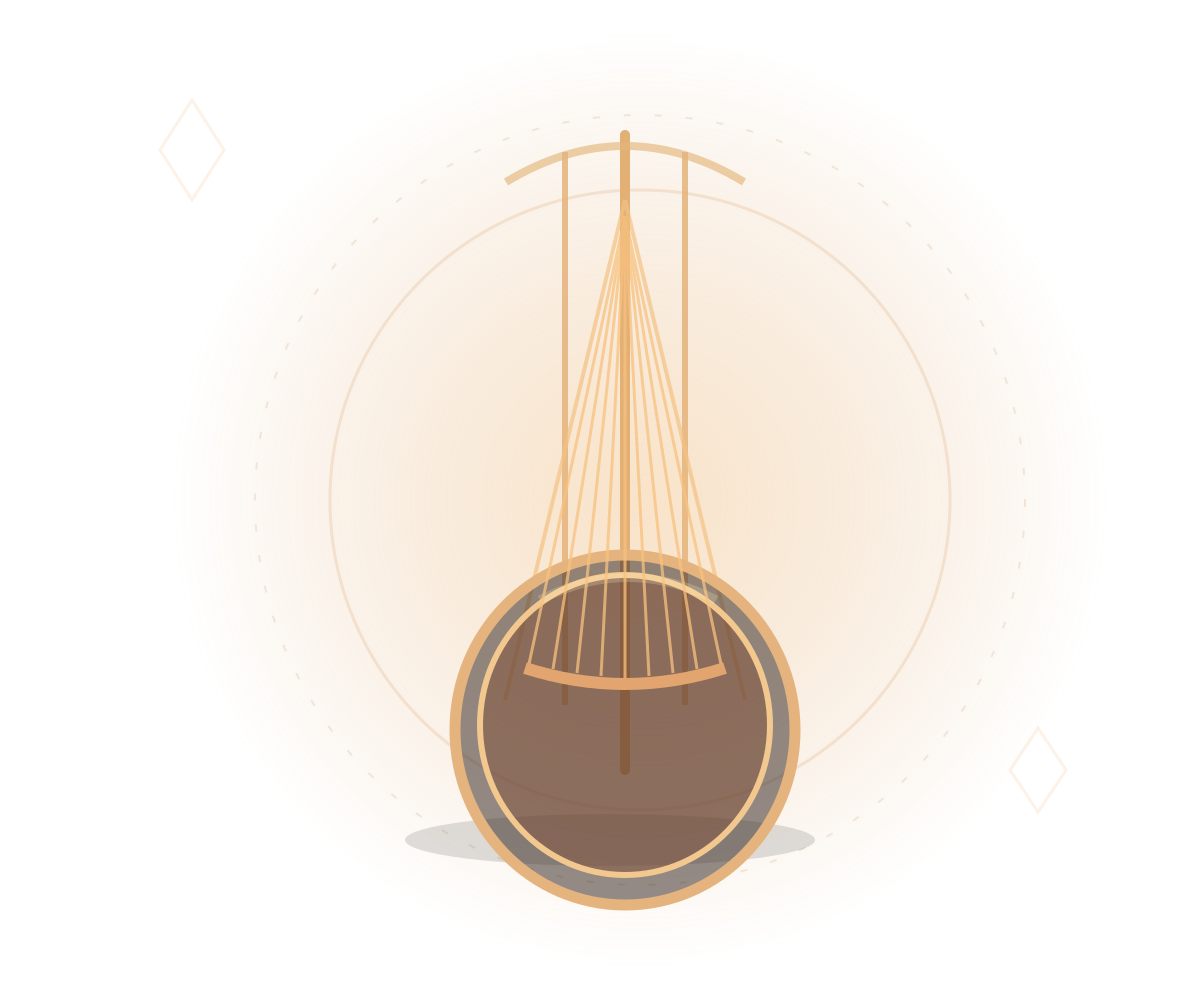
Find people to learn from, care for your instrument, discover events, and help document the drumming community. Listings here will grow through verified submissions.
Looking for private lessons, group classes, or a culture bearer to study with? Start with the organizers in the circle directory and ask about individual instruction.
Loose ropes, a damaged skin, or a cracked shell? Ask a specialist before attempting repairs. Wula Drum and Djembe Life list repair-related services; availability can change.
For recurring classes and circles, explore the current community directory above. One-time workshops, visiting artists, and festivals can be submitted for review.
We only publish dates and details after they are confirmed. There are no unverified event dates listed here.
Have a drum to sell, donate, lend, or trade—or know an organization that lends instruments? Help us build a community-sourced exchange.
The exchange is accepting suggestions, not publishing public seller contact details or processing transactions. Arrange exchanges safely and verify instruments in person.
Honoring the teachers, culture bearers, organizations, and communities who keep traditions alive.
Drumming traditions are carried through relationships and generations. This growing archive invites stories of teachers, community groups, meaningful gatherings, and the history of African and African Diasporic drumming in Minnesota.
Share a story, photo, or oral-history lead only with permission from the people featured. Historical features will be reviewed before publication.
Distinct drum traditions speak through movement, dynamic pitch, and conversation across the community.
Discover the community ↗
Not always. Some groups offer drums to borrow, while others ask you to bring your own. Check the individual listing and contact the organizer before visiting.
Several listings welcome beginners. Check each group’s audience and experience notes, then ask the organizer if you are uncertain.
Costs are not confirmed for every listing. Ask the organizer about any class fees, suggested donations, or instrument rentals before attending.
Try it if possible. Listen for a clear bass, tone and slap; inspect the skin, tuning rope and shell; and ask about the maker and tradition. See the buying guide above for details.
Use the “Suggest a resource” link below to share details for review. Please include a reliable way to confirm schedules, contact information and eligibility.
Know a circle, shop, teacher, repair specialist, event, or cultural story that belongs here? Send us the details so we can review it and keep this resource growing.
Suggest a resource →Directory note: Listings are based on community-submitted details and may change. Check class times, location, eligibility, cost, and drum availability with each organizer before visiting. Last compiled October 2026.
Live performance, storytelling, African & Diasporic drumming, youth workshops, school residencies, cultural programming, festivals, and collaborative projects.